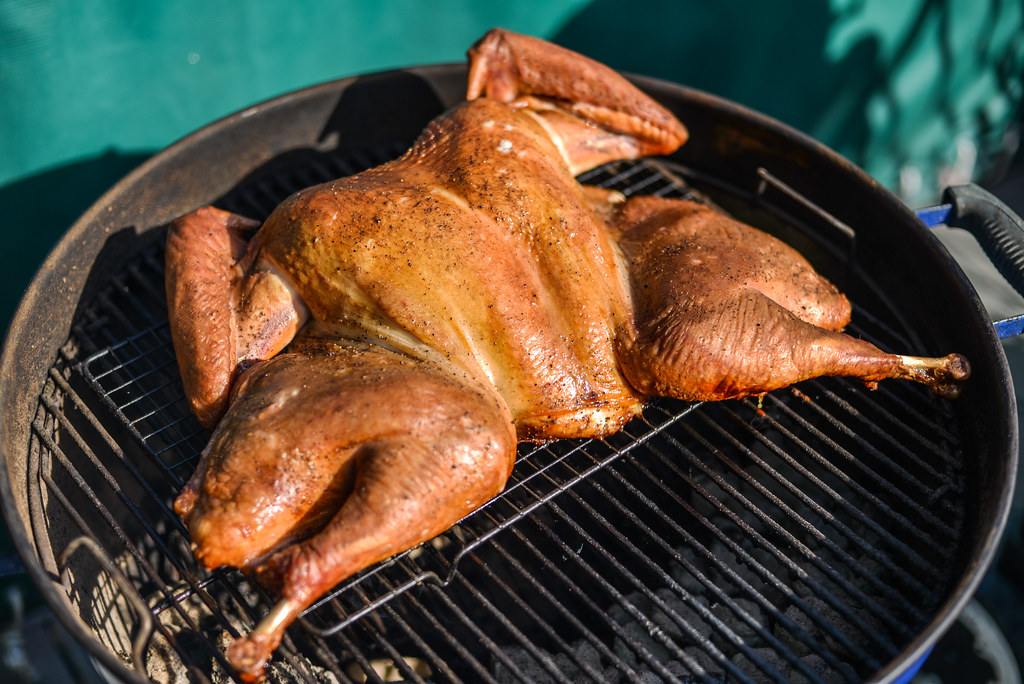
Spatchcock Turkey: Why This Technique Solves All Your Roasting Woes
For many, the mere thought of roasting a whole turkey evokes a mix of excitement and dread. Every year, around major holidays like Thanksgiving, home cooks grapple with the same age-old challenges: the seemingly endless cooking time, the elusive quest for crispy skin, and perhaps the most infuriating dilemma of all – how to achieve perfectly cooked, juicy breast meat without drying it out, while simultaneously ensuring the legs and thighs are tender and thoroughly done. The traditional whole-roasted bird often becomes a culinary tightrope walk, resulting in either an undercooked interior, an overcooked exterior, or most commonly, a frustrating combination where the breast is parched and the legs still aren't quite right. But what if there was a simple, yet revolutionary, technique that promises to banish these roasting woes forever?
Enter the spatchcock turkey. This ingenious method, sometimes referred to as butterflying, is gaining immense popularity for its ability to transform a daunting holiday centerpiece into a remarkably manageable and consistently delicious feast. Forget the nervousness and the complaints about flavorless, dry poultry. By adopting the spatchcock technique, you’re not just cooking a turkey; you’re unlocking a secret to faster cooking times, unbelievably crispy skin, and succulently juicy meat, from one end of the bird to the other. It’s a game-changer that makes the ultimate turkey problem – overcooking the breast to cook the legs – a thing of the past.
Unpacking the Magic: What Exactly is Spatchcocking?
At its heart, spatchcocking is a straightforward yet incredibly effective culinary preparation method. It involves removing the turkey's backbone and then flattening the entire bird. This might sound intimidating, but the process is surprisingly simple, primarily requiring a sturdy pair of kitchen shears and a bit of courage. The result is a turkey that lays flat, almost like a large, irregular rectangle, rather than its traditional rounded form.
The true magic of the spatchcock turkey lies in this altered geometry. When a whole, un-spatchcocked turkey roasts, its uneven shape means that different parts are exposed to varying levels of heat. The breast, being thicker and more exposed at the top, tends to cook faster and dry out, while the denser legs and thighs, tucked underneath, take longer to reach optimal temperature. Spatchcocking elegantly solves this by promoting uniform heat distribution across the entire bird. With the turkey laid flat, the oven's heat can circulate evenly, cooking the meat more consistently. This means both the delicate breast and the tougher, darker meat of the legs and thighs cook simultaneously and perfectly, delivering a truly harmonious, tender, and juicy result. It’s a Thanksgiving miracle you can achieve right in your own kitchen.
The Unbeatable Advantages: Why Spatchcocking Reigns Supreme
The benefits of preparing a spatchcock turkey extend far beyond just even cooking. This technique addresses virtually every common complaint associated with traditional turkey roasting:
- Significantly Faster Cook Time: This is arguably one of the most celebrated advantages. By flattening the turkey, you increase its surface area and allow heat to penetrate more efficiently. A spatchcocked turkey can cook in as little as half the time of a classic, whole bird, often shaving hours off your roasting schedule. Imagine having more time to spend with family or prepare side dishes, rather than anxiously hovering over the oven!
- Crispy Skin, Every Time: With the entire skin surface exposed directly to the oven's heat, rather than tucked away or shielded by other parts of the bird, you are virtually guaranteed an incredibly crispy, golden-brown skin that is a joy to behold and even better to eat. No more soggy, flabby skin!
- Juicy, Perfectly Cooked Meat: The uniform heat distribution ensures that the breast meat, which is notoriously prone to drying out, stays tender and moist, while the legs and thighs reach their ideal juicy tenderness. This balance is incredibly difficult to achieve with a traditional roast and is a hallmark of a properly spatchcocked bird.
- Enhanced Flavor Absorption: The flattened surface provides ample real estate for your seasoning, rubs, or marinades to adhere, infusing the meat with deeper, richer flavors.
- Easier Carving: A flat turkey is inherently easier to carve, as you can see all the joints and cuts clearly, simplifying the presentation and serving process.
Your Spatchcock Journey: Getting Started
Don't be intimidated by the idea of removing a turkey's backbone. While it might seem like a task for a professional, it's remarkably achievable for any home cook. If you're still hesitant, remember that you can always ask your butcher to do it for you. Many grocery store meat counters, including major chains, will happily spatchcock a turkey if you call ahead.
Essential Tools for Success
To successfully spatchcock your turkey, you'll need a few basic items:
- Heavy-Duty Kitchen Shears: This is your most crucial tool. Invest in a pair designed for poultry, as they need to be strong enough to cut through bone.
- A Large Cutting Board: Ensure it's stable and large enough to accommodate the turkey.
- A Large Baking Sheet with a Wire Rack: The rack allows air to circulate around the entire bird, contributing to that coveted crispy skin.
- Meat Thermometer: Absolutely essential for ensuring optimal doneness and food safety.
For a detailed, step-by-step guide to the physical act of spatchcocking, be sure to read How to Spatchcock a Turkey: Faster Cook Time, Flawless Holiday Meal. It walks you through the process, ensuring a flawless holiday meal.
Preparing Your Bird and Seasoning
The spatchcock technique is incredibly versatile when it comes to flavor. You can use this method on turkey seasoned in any manner you prefer. Whether it's a simple salt and pepper rub, a complex herbal blend, or a zesty citrus marinade, the flattened surface allows for maximum flavor contact. Consider a delicious combination of smoked paprika, brown sugar, garlic powder, and herbs for a smokey-sweet flavor that pairs beautifully with a full Thanksgiving menu. Before seasoning, always pat your turkey thoroughly dry; this is key to achieving that incredibly crispy skin.
For optimal results, aim for a turkey weighing between 12 to 15 pounds. This size is generally easier to handle and fits well on most home baking sheets.
Mastering the Roast: Tips for a Flawless Spatchcock Turkey
Once your turkey is spatchcocked and seasoned, the roasting process itself is straightforward, but a few tips can elevate your results:
- High-Heat Roasting: Many recipes recommend starting with a high oven temperature, such as 450°F, to quickly crisp the skin and jumpstart the cooking process. You might then reduce the temperature to around 375-400°F to ensure even cooking through to the center. For those who love the smoky flavor, spatchcocking also lends itself beautifully to low-and-slow smoking at 225-250°F.
- Monitor Internal Temperature: This is non-negotiable for a perfect turkey. Insert your meat thermometer into the thickest part of the breast, avoiding bone, aiming for 165°F. For the thighs, which benefit from cooking a bit longer for tenderness, target 175-185°F. The beauty of spatchcocking is that these temperatures are often reached simultaneously.
- Resting is Crucial: Once cooked, remove the turkey from the oven, tent it loosely with foil, and let it rest for at least 20-30 minutes before carving. This allows the juices to redistribute throughout the meat, ensuring every bite is succulent and flavorful.
- Consider a Brine: While not strictly necessary with a spatchcocked bird due to its inherent juiciness, brining can add an extra layer of moisture and flavor, especially if you're worried about keeping the meat incredibly moist.
For more expert advice on achieving that perfect texture and taste, delve into Spatchcock Your Turkey: The Secret to Crispy Skin & Juicy Meat.
The Legacy of Spatchcocking: A Brief History
While the spatchcock technique might feel like a modern revelation for many, its roots trace back much further. Etymologically, "spatchcock" likely originated in 18th-century Europe as a corruption of "dispatch cock," referring to the quick preparation of poultry that was split and grilled. It speaks to the historical efficiency of the method, designed for rapid cooking.
However, its widespread popularity in the United States, particularly for turkeys, can be largely attributed to food writer Mark Bittman's influential 2002 recipe for a "45-minute roast turkey." This recipe introduced spatchcocking as a game-changing approach to holiday cooking, demonstrating that a delicious, perfectly cooked turkey didn't require an entire day or culinary acrobatics. Since then, it has steadily grown in favor among both novice and experienced cooks, proving itself as a simple yet profoundly effective solution to complex roasting challenges.
The spatchcock turkey isn't just a trend; it's a superior method for preparing poultry that delivers on every promise. Faster cook times, incredibly crispy skin, and consistently juicy, flavorful meat are no longer elusive culinary dreams but achievable realities. By understanding what spatchcocking is and how to apply it, you gain the confidence to tackle any turkey, transforming your holiday meal from a source of anxiety into an effortless triumph. Say goodbye to dry breasts and undercooked legs, and hello to a perfectly roasted turkey that will become the star of your table for years to come.
